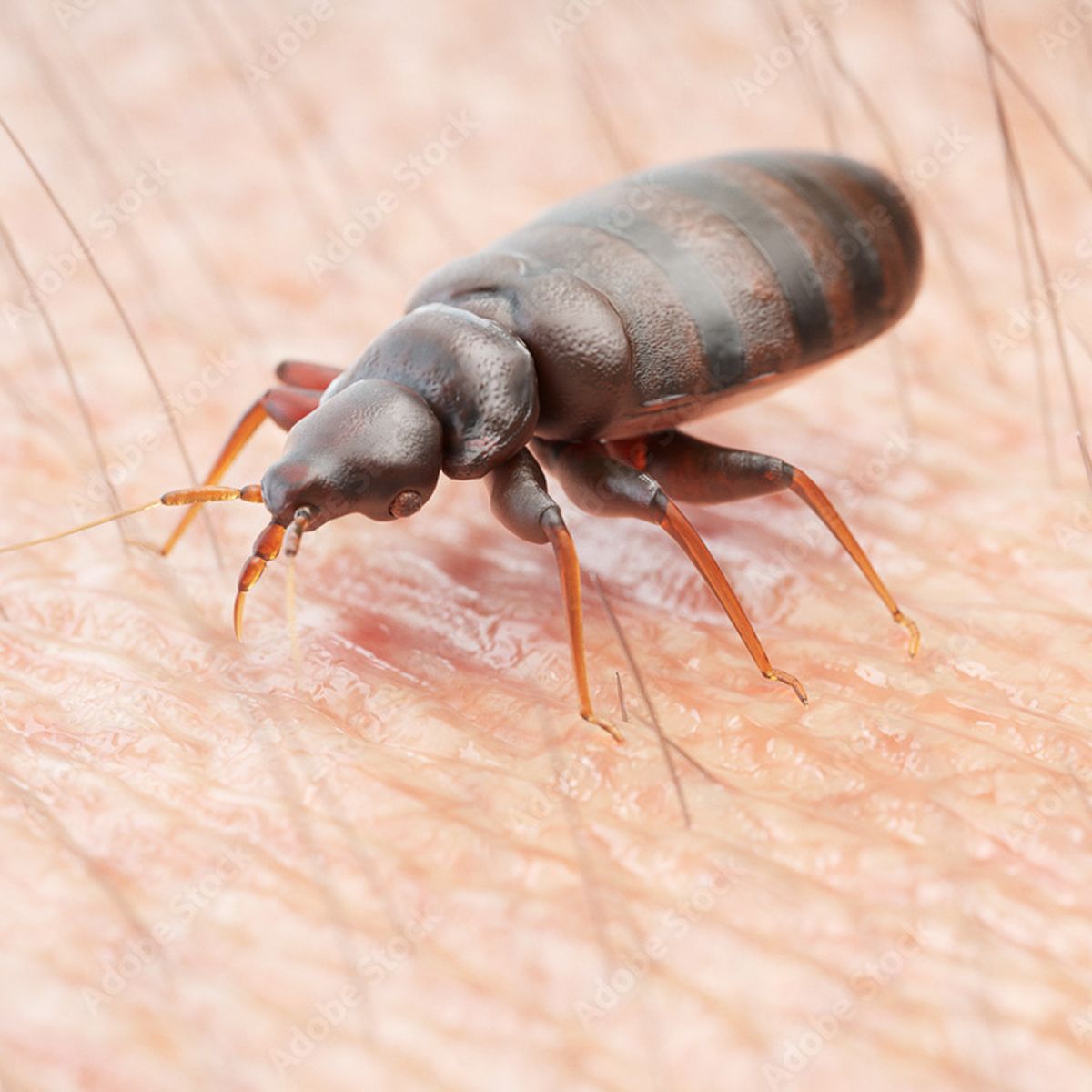
What bed bugs actually are, and why they multiply so fast on the coast.
Bed bugs are small, oval, brownish insects that feed on the blood of people and animals. They're roughly the size and shape of an apple seed; flat when hungry, swollen and reddish after feeding. They can't fly, but they move quickly and hide deep in mattresses, box springs, baseboards, electrical outlets, and luggage seams.
Bed bugs don't transmit disease, but they reproduce aggressively: a single female can lay hundreds of eggs in her lifetime. Thanks to Myrtle Beach's warm, humid climate, bed bugs can mature in as little as a month, producing several generations per year if left untreated.
Signs you may have bed bugs.
- Itchy red bites in a line or cluster, typically appearing overnight
- Rust-colored spots on sheets, mattress seams, or pillowcases
- Tiny white eggs or pale yellow shed skins along the mattress edge
- A musty, sweet odor in heavily infested rooms
- Live bugs visible in seams, crevices, or behind headboards
How bed bugs feed and multiply.
Bed bugs feed at night, piercing skin with a beak-like mouthpart and drawing blood for up to ten minutes at a time. Young bugs (nymphs) shed their skins five times before reaching adulthood, requiring a blood meal before each molt. That's why a single hitchhiker (picked up from a hotel, used furniture, or someone else's luggage) can become a full-blown infestation in weeks.
Bed bug treatment services we offer.
- Thorough bed bug inspections: residential and commercial
- Customized treatment plans: heat, chemical, or combined approaches
- Follow-up visits as needed for full eradication
- Guidance on mattress and box-spring encasements
- Preventive recommendations to avoid future infestations
Why choose CPM for bed bug extermination?
- Local experts who understand Myrtle Beach's coastal climate
- Discreet, respectful service for rentals, hotels, and hospitality
- Treatments that are safe for families and pets
- Fast response, honest estimates, and thorough follow-up
- Trusted by homeowners, property managers, and businesses
Bed bug FAQs.
How do I know if I have bed bugs?
Look for rust-colored spots on sheets and mattress seams, tiny shed skins, and bites that appear in lines or clusters, often on skin exposed while sleeping. Bed bugs hide in mattress seams, box springs, headboards, and baseboard cracks. If you're unsure, we inspect and confirm before recommending any treatment.
Heat treatment or chemical treatment: which should I choose?
Heat kills every life stage, including eggs, in a single day and is ideal for heavy infestations or homes where chemical sensitivity is a concern. Conventional treatment costs less and works well for lighter infestations, with follow-up visits. We'll recommend the right approach after inspecting, not a one-size-fits-all package.
Could I have brought bed bugs home from a hotel?
It's the most common way infestations start in a tourist town like Myrtle Beach. Bed bugs ride in luggage, not on people. After any hotel stay, inspect suitcases before bringing them inside and wash clothing on hot. If you suspect a hitchhiker, an early inspection is far cheaper than a mature infestation.
Do you treat vacation rentals and Airbnbs?
Yes, discreetly and on rental-turnover timelines. One bed bug review can sink a rental's season, so we prioritize fast inspection and treatment for property owners and managers, and can work between check-out and check-in.
Can bed bugs come back after treatment?
Treatment eliminates the infestation that's there; it can't prevent a new introduction from travel or guests. We include follow-up inspection after treatment to confirm elimination, and encasements plus early-warning monitors are cheap insurance for frequent travelers and rental properties.