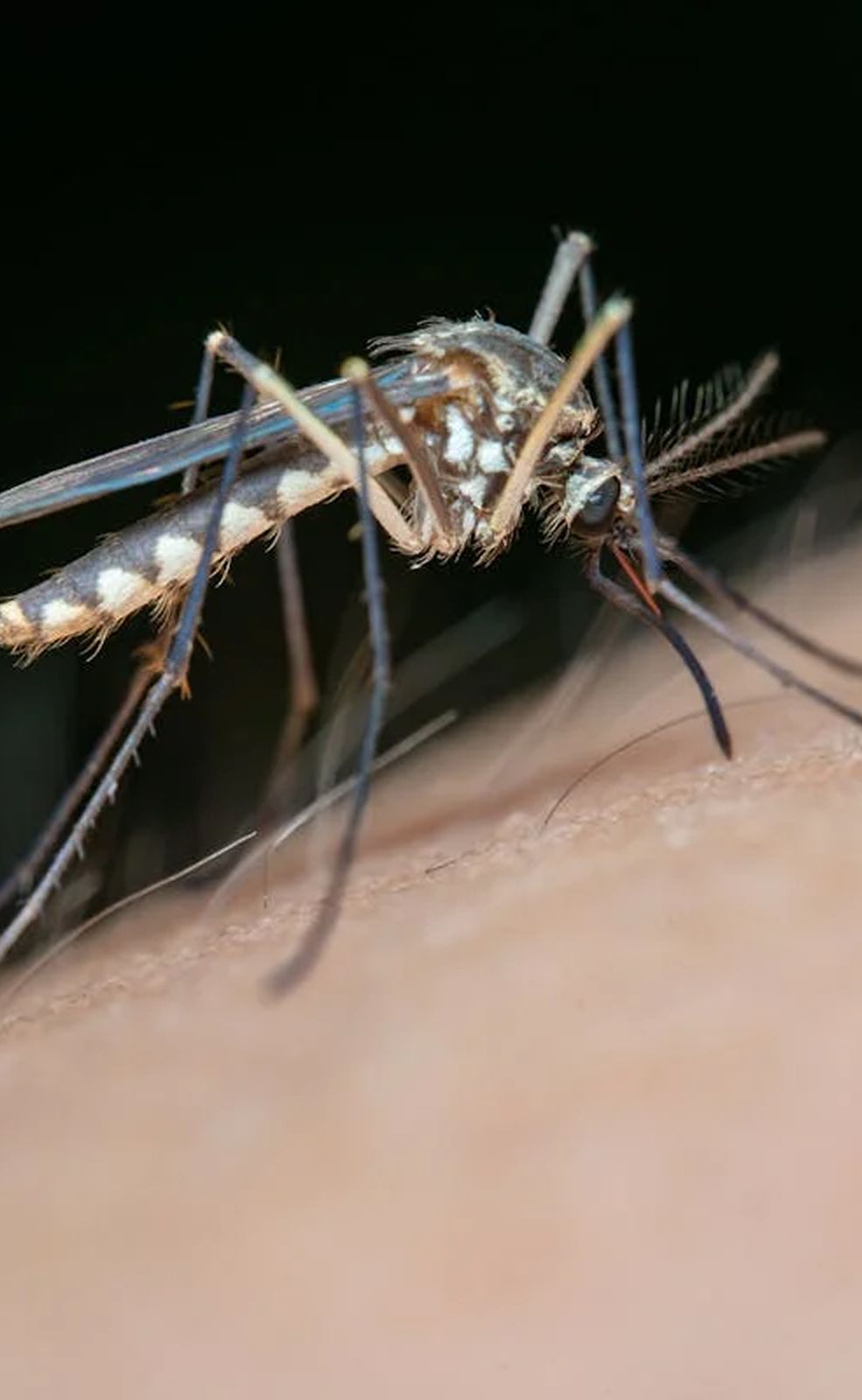
Yard spraying that's tough on mosquitoes, and gentle on everything else.
CPM's mosquito control treatments target the breeding and resting areas where mosquitoes actually live: shaded foundation plants, dense shrubs, damp corners, and standing water near your property line. We use environmentally responsible, low-toxicity sprays that knock down mosquito populations without harming your family, pets, or the plants you've spent years growing.
With regular treatments throughout the season, your outdoor space stays usable from spring through fall.
Ideal for homes, vacation rentals, and outdoor venues.
- Single-family homes and yards
- Vacation rentals and Airbnbs
- Pools, patios, and outdoor living areas
- Restaurants with patio or deck seating
- Event venues and outdoor weddings
Why mosquito control matters in Myrtle Beach.
Our warm, humid coastal climate is a year-round breeding ground for mosquitoes, most active in spring, summer, and fall. Beyond the obvious nuisance, South Carolina mosquitoes can carry serious viruses including West Nile virus, Zika, and Eastern Equine Encephalitis (EEE).
Our licensed technicians know exactly where mosquitoes hide and how to interrupt the life cycle, so populations don't bounce back the moment you stop spraying.
What's included in CPM's mosquito control service.
- Professional property inspection to identify mosquito hotspots
- Targeted yard spraying of shaded, damp, and densely vegetated areas
- Recurring monthly or seasonal treatments for ongoing protection
- Custom plans for one-time, event-based, or year-round applications
Why choose CPM for mosquito control?
- Locally owned and operated in the Myrtle Beach area
- Safe, organic-based and pet-friendly treatment options
- Honest, no-hassle pricing and easy scheduling
- Experience with both residential and commercial mosquito spraying
- Trusted by property owners, managers, and event planners
Mosquito control FAQs.
How often should my yard be treated for mosquitoes?
Every three to four weeks during the season. Barrier treatments lose potency as sun, rain, and new plant growth break them down, so a one-time spray fades after about a month. Our seasonal program keeps the barrier refreshed from spring through fall without you having to think about it.
When is mosquito season in Myrtle Beach?
Roughly March through November. Mosquitoes become active once temperatures hold above about 50°F, peak through the humid summer months, and linger well into fall. We recommend starting treatment in early spring to knock populations down before they build.
Is mosquito spraying safe for kids and pets?
We use low-toxicity, organic-based products applied to the shaded foliage where mosquitoes rest, not blanket-fogged over play areas. Once the application dries, typically within an hour, the yard is ready for kids and pets. We'll walk you through the products before we treat.
Doesn't the city already spray for mosquitoes?
Municipal truck spraying targets adult mosquitoes along public rights-of-way. It doesn't reach the shaded, sheltered spots where mosquitoes actually breed and rest on your property: under decks, in dense shrubs, around downspouts. A property-level barrier program covers what the city trucks can't.
Will one treatment get rid of mosquitoes for the season?
No, and anyone who promises that is overselling. One treatment gives you a strong knockdown for several weeks, which is perfect for a wedding or backyard event. Season-long control takes recurring treatments plus eliminating standing water where they breed. We do both, and we'll point out the breeding spots we find.