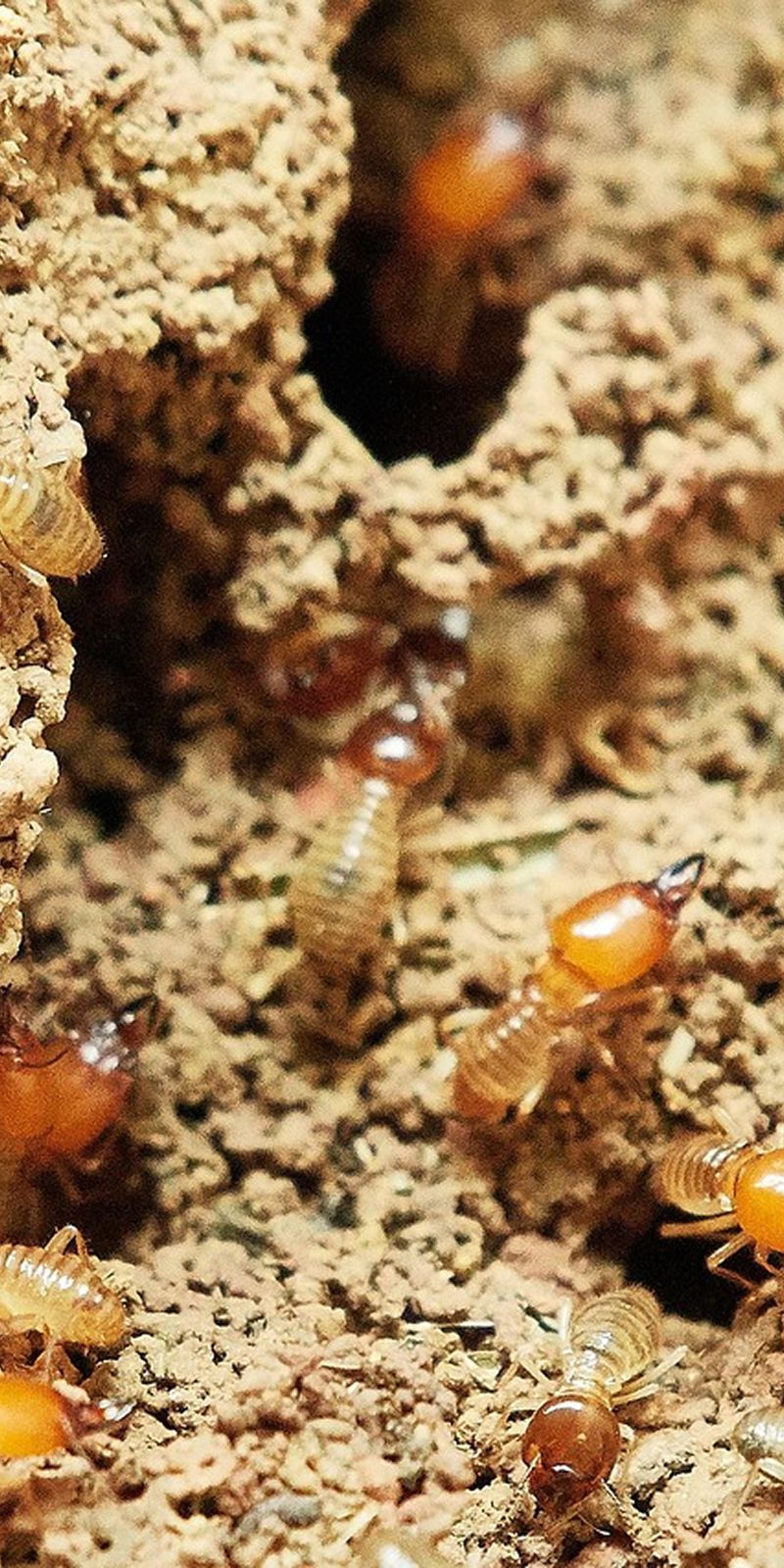
Termite & wood-destroying insect services in Myrtle Beach.
CPM is a locally owned, fully licensed termite company serving the entire Grand Strand. Whether you've spotted a swarm in spring, found mud tubes in the crawlspace, or you're closing on a home and need an official inspection, we treat every job with the same standard: identify the problem accurately, fix it permanently, and back it with a written report.
- Termite extermination: liquid & bait systems available
- Official South Carolina CL-100 wood infestation reports
- Termite inspections for homeowners, realtors, and sellers
- Annual termite control contracts for ongoing protection
- Wood-destroying insect treatments: termites and carpenter ants
Selling your home? You'll need a CL-100 report.
The South Carolina CL-100 (the official Wood Infestation Report) is the document buyers, lenders, and closing attorneys ask for at almost every Grand Strand home sale. It certifies whether the home shows evidence of active infestation, past damage, or conducive conditions from termites, wood-decay fungi, or other wood-destroying organisms.
CPM's CL-100 inspectors are licensed by the South Carolina Department of Pesticide Regulation. We document the inspection clearly, communicate findings to all parties, and move quickly so the closing stays on schedule.
Signs you may need termite treatment.
Subterranean termites (the species that does almost all the damage in our area) work silently and often undetected for years. By the time the signs become visible, structural repair is usually already needed. If you spot any of the following, schedule an inspection right away:
- Mud tubes running up foundation walls or piers in the crawlspace
- Discarded wings near windowsills or light fixtures after a swarm
- Wood that sounds hollow when tapped, or that gives way under a screwdriver
- Sagging floors, sticking doors, or uneven trim in older walls
- Small piles of frass: termite droppings that look like coarse pepper
Liquid vs. bait: which termite treatment is right for your home?
There's no one right answer. The best termite system for a slab-on-grade beach condo is rarely the same as the right system for a 100-year-old home in Conway with a low crawlspace. After inspecting the property, we'll explain both options in plain English:
Liquid termiticide treatments
A non-repellent liquid termiticide is applied as a continuous treated zone around the structure. Termites can't detect it, so they pass through it unknowingly and carry it back to the colony. Effective for established infestations and properties with high termite pressure.
Advance Termite Bait Systems
In-ground bait stations are placed around the structure on a regular monitoring schedule. Termites recruit to the bait, transfer it through the colony, and the colony collapses. Ideal for sensitive landscapes, older homes, and ongoing protection plans.
Why homeowners and realtors choose CPM for termite control.
- Locally owned and trusted across the Grand Strand
- Licensed CL-100 inspectors with two decades of coastal experience
- Safe, effective, and environmentally responsible treatments
- Fast response and affordable annual contracts
- Experience with both residential and commercial termite work
- Plain-English reporting that makes closings easier, not harder
Termite control FAQs.
What is a CL-100 letter and who needs one?
A CL-100 is South Carolina's official Wood Infestation Report. Most lenders require one before closing on a home purchase or refinance. It documents any evidence of termites, other wood-destroying insects, and wood-destroying fungi. CPM performs official CL-100 inspections across the Grand Strand, usually within a few days of your call.
How long is a CL-100 report valid?
Most lenders require the CL-100 to be dated within 30 days of closing, so schedule it for the last month before your closing date. If a sale is delayed, we can re-inspect and update the report.
What is a termite bond, and does it transfer if I sell my house?
A termite bond is an annual protection contract: we maintain the treatment, re-inspect on schedule, and re-treat if termites return. CPM bonds are renewable year to year and can be transferred to a new owner, a genuine selling point at closing time.
Liquid treatment or bait stations: which is better?
Both work; the right choice depends on your home's construction, soil, and moisture conditions. Liquid treatments create a treated zone in the soil around the foundation, while bait systems intercept and eliminate colonies. We inspect first, then recommend one, or a combination, based on what your house actually needs.
When do termites swarm in Myrtle Beach?
Subterranean termites typically swarm in spring, from March through May, often after warm rain. Formosan termites swarm on humid evenings in late spring. Seeing swarmers, or piles of shed wings on window sills, is the most common way homeowners discover an infestation, and it's the right moment to call for an inspection.